Serendipity Needs a Little Help
The All-In Summit in Los Angeles this September was my third All-In event in three years. Each year I learn something different, but this time I paid more attention to what it means to show up as a solo attendee.
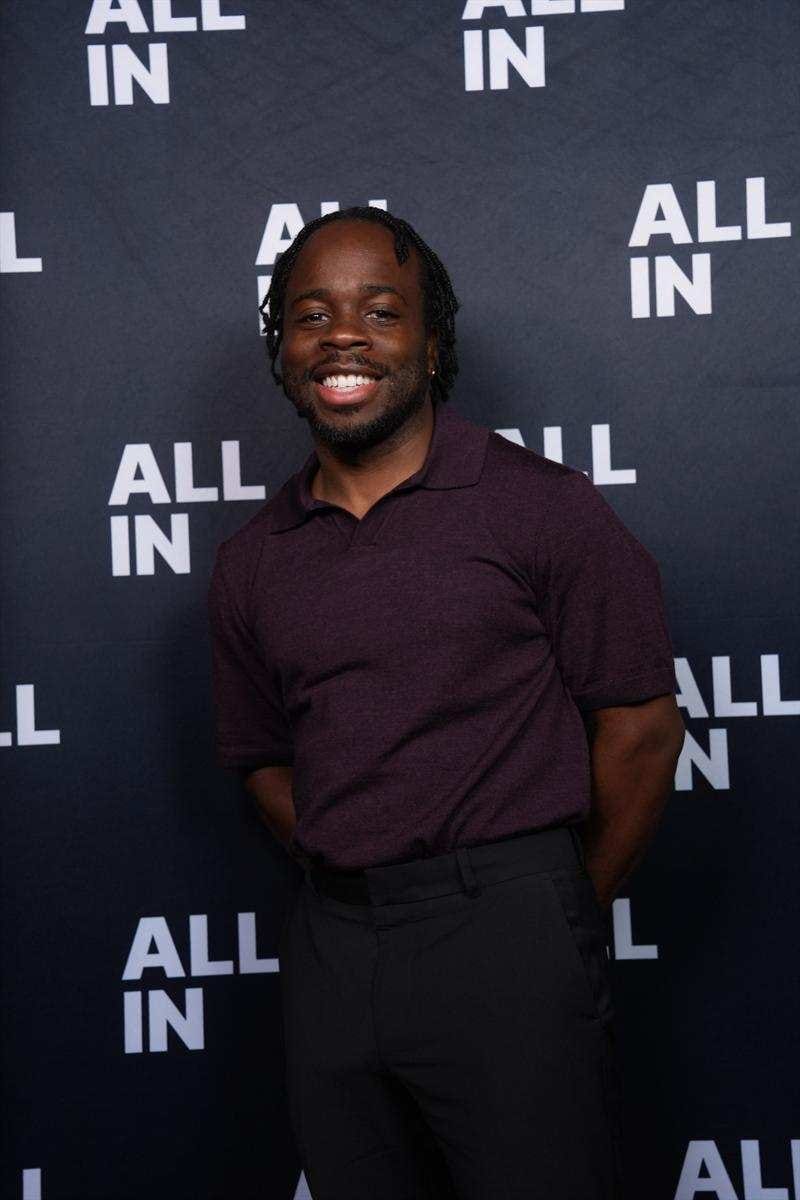
1. Be the icebreaker (or, as the nephews say, aura farming)
If asked, I'd probably be embarrassed to admit how many conferences I've attended over the course of my career. Not because they were all bad, but because so few felt as intentional or as worthwhile as the All-In Summit.
This year I went solo. When you go to a conference alone, there's no buddy to hide behind. If you want to meet people, you have to make the first move.
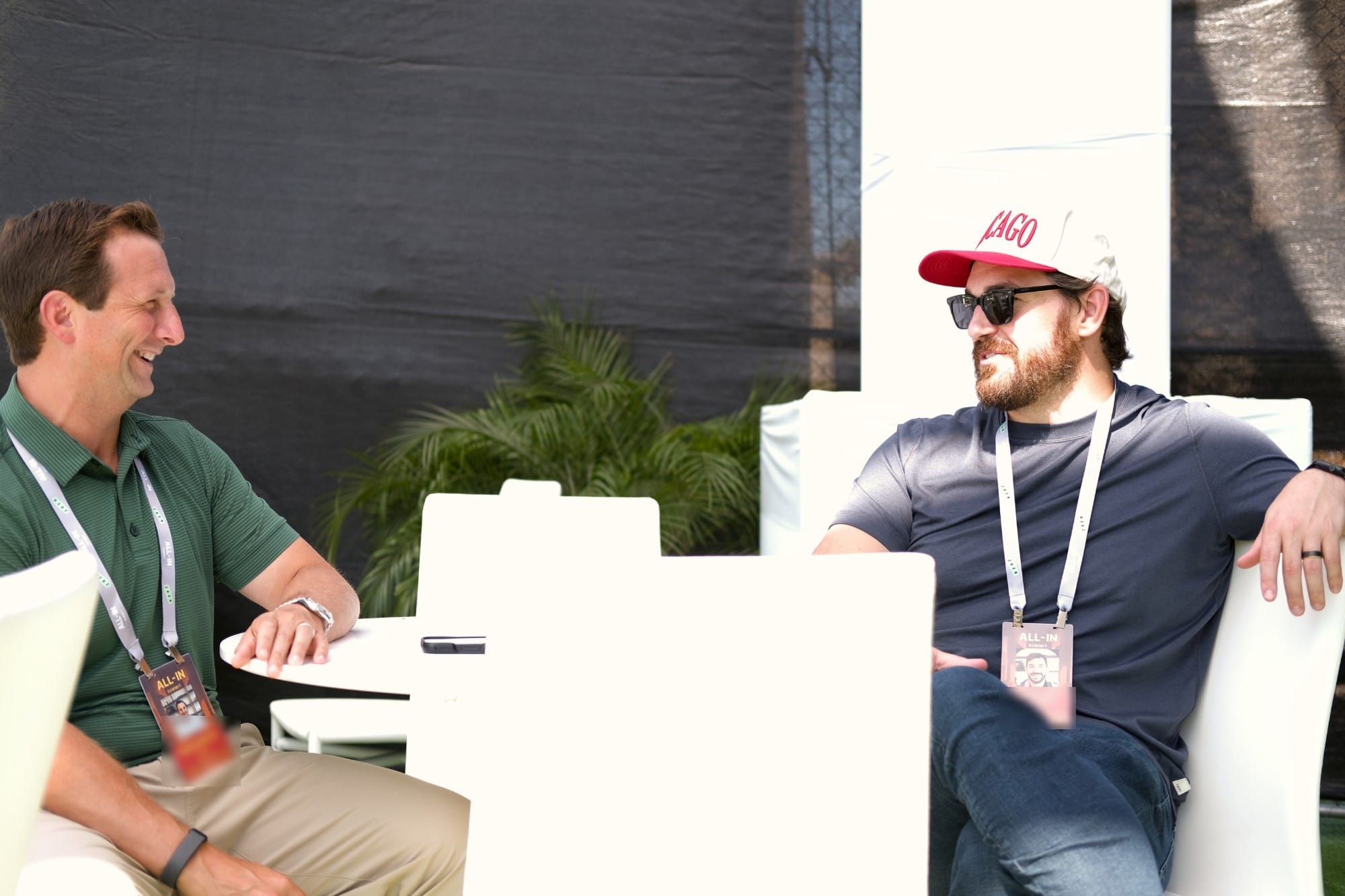
Over the last few years, I've made it a habit to bring my camera to every conference. One of the biggest benefits is that it becomes a natural icebreaker.
I'm usually looking around for something or someone interesting to photograph, preferably candid. That gives me a reason to walk up, introduce myself, ask permission, and start a conversation without forcing one.
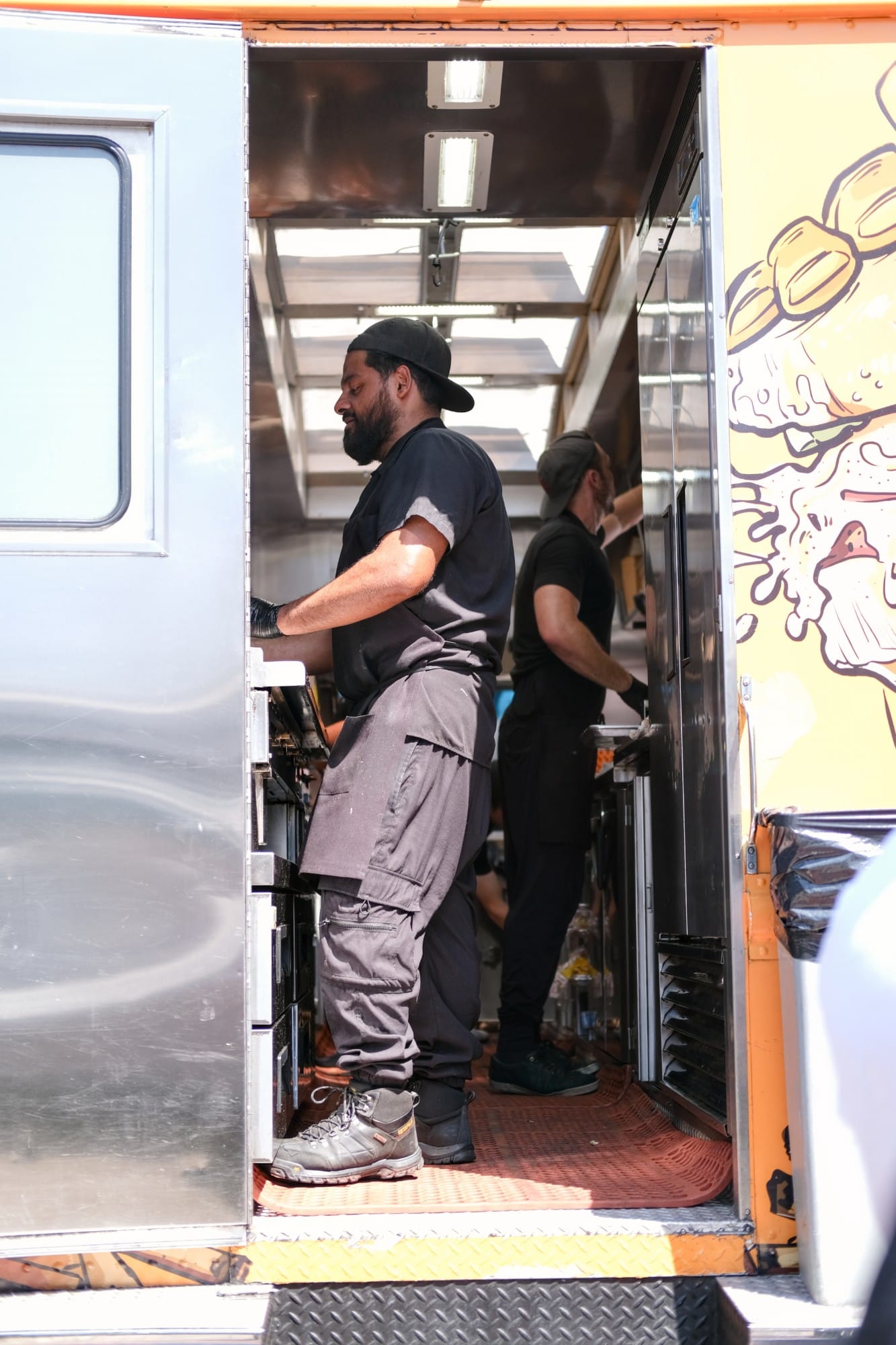

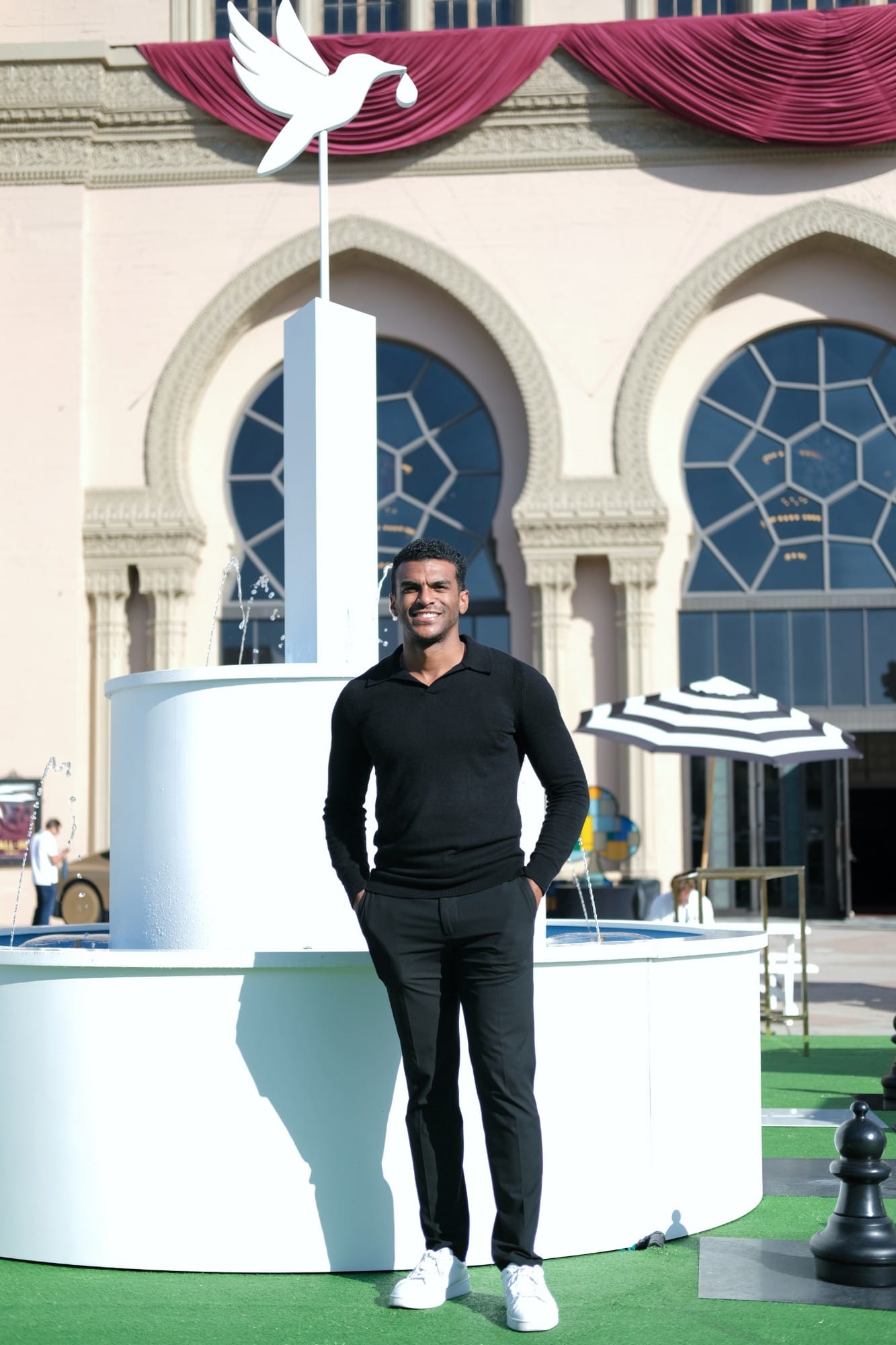
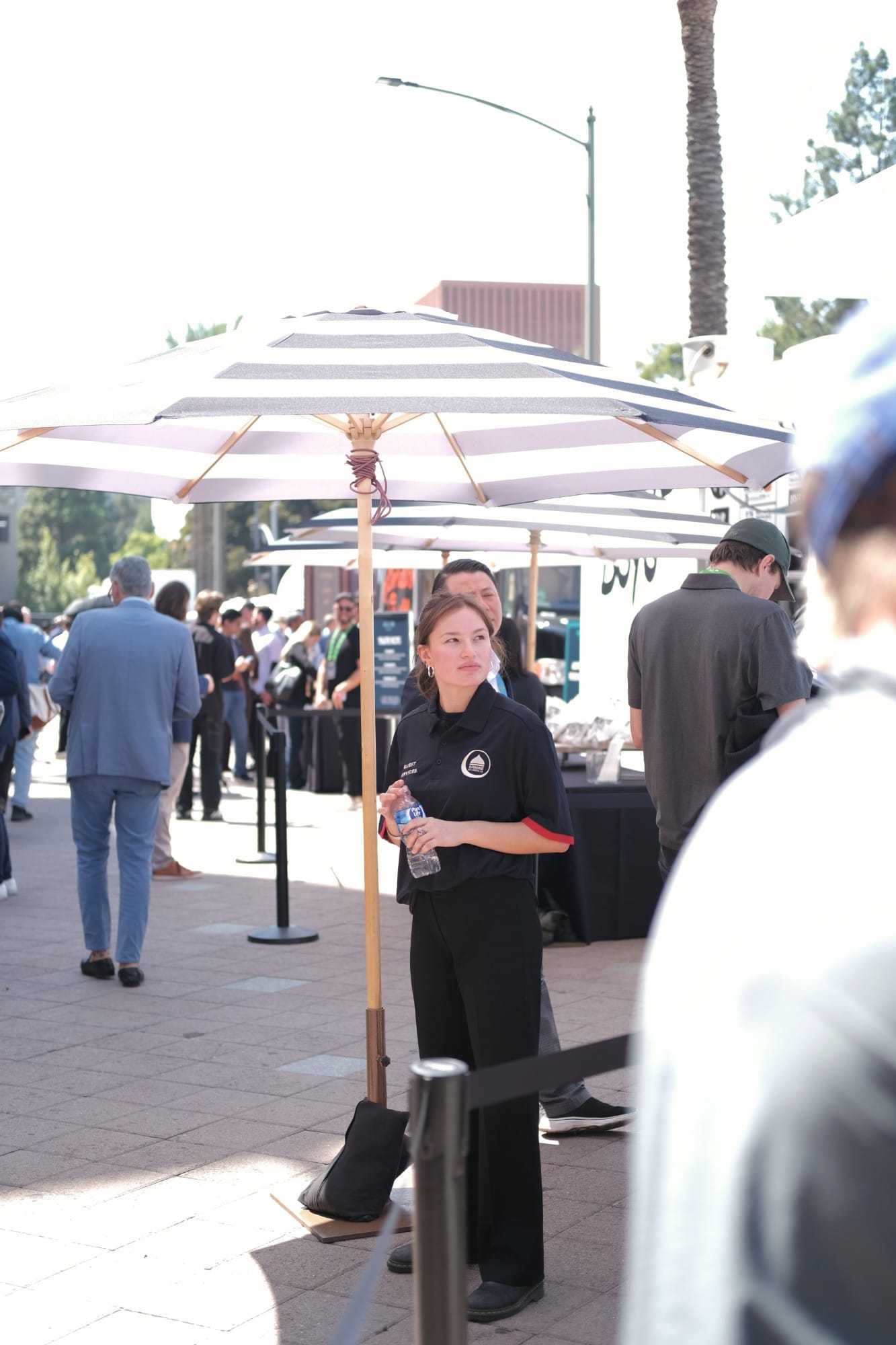
Most people are into it. Some aren't, and that's fine. You can usually tell pretty quickly.
On the last day of the conference, someone excitedly told me the camera was a great way to "aura farm" and disarm people, because it shifts the attention onto them.
I liked hearing that, because by then I was already doing it on purpose. The camera makes it easier to approach people, puts the focus on them, and starts a conversation that doesn't feel forced. Honestly, it's the easiest way I know to network at a conference without it getting awkward.
Photography gives me a reason to be curious about someone else before I ask them to be curious about me.
Some of the most serendipitous conversations, introductions, and late-night hangouts I've had at events started because I asked someone if I could take their photo.
So maybe serendipity needs a little help. My Fujifilm X-T3 just gives me an excuse to make the first move.
2. Eliminate limiting language (and thoughts)
I've done a crap ton of work over the years to get rid of limiting thoughts and language, but every once in a while, one still moonwalks across my brain.
At the summit, I caught a few of them leaking out while I talked through problems I'm working on. Things like what "will take too long," what "probably won't attract customers," or what might be "too innovative or disruptive to the labor economy," all said before I'd tested whether any of it was true.
There's something especially uncomfortable about hearing yourself say those things out loud to a stranger. Even more so when you don't catch yourself until afterward.
Limiting language is often just an assumption dressed up as a conclusion. The words matter because they quietly draw the boundaries of what you're willing to try.
And right now, when so much feels newly possible, the last thing I want to do is set the limits myself.
3. Show before you tell
This one feels obvious, but I rarely see people use the body-warmed computer in their pocket to actually show what they're building.

Most networking advice tells you to nail your introduction:
"Hi, I'm Carrington. I do X for Y because of Z."
It's useful and necessary. But even a great introduction leaves a lot to the imagination.
I've found it much more effective to just show the thing.
Pull out your phone. Open the product. Walk someone through the problem you're solving and let them see the solution work. It's a tiny founder demo, except the person in front of you never scheduled a pitch meeting.
For me that means opening SupaDupa and letting someone see what's actually filling up their Mac, or pulling up a fighter on Kill the Body.


You might be thinking, "Carrington, what I do isn't demo-able," or "It's too complex to explain to outsiders."
Fair. Then the challenge becomes finding the tool, prototype, or visual that makes it simple enough for a stranger to understand.
Showing your work creates specificity. It gives people something real to react to, ask about, critique, remember, or connect to their own world. It's also a bit of a trust hack. Instead of asking someone to believe you know what you're talking about, you show them.
The part I still need to practice is doing all of that in under 30 seconds, roughly the length of an extended Netflix ad. Long enough for the problem and the product to click, short enough that it still feels like a conversation and not a pitch.